The Influence of South Africa's Unique Geographical Environment on the Selection of Concrete Mixers
The selection of concrete mixing equipment in South Africa is not a decision governed solely by production capacity or initial capital outlay. It is a complex calculus deeply influenced by the nation's distinctive and often demanding geographical character. South Africa's landscape presents a unique confluence of challenging topography, varied climatic zones, and pronounced regional economic disparities. These factors collectively impose a set of operational prerequisites that directly dictate the suitability and economic viability of different self loader mixer types. A thorough analysis must therefore extend beyond technical specifications to consider how a machine will perform across the country's rugged escarpments, arid plains, and congested urban corridors. The optimal choice is one that demonstrates resilience, logistical adaptability, and alignment with the specific economic realities of its intended operational theatre.

Topographical and Logistical Imperatives: Navigating Diverse Terrain
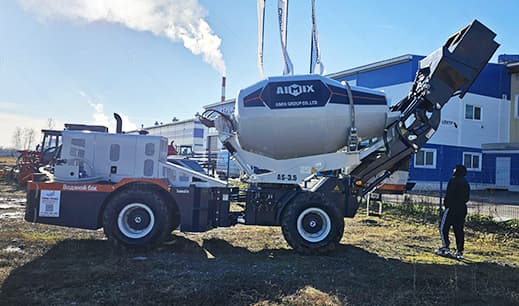
The physical geography of South Africa necessitates a primary consideration of mobility and site access. The country features a vast, elevated interior plateau, bounded by the Great Escarpment, which descends sharply to coastal plains. This dramatic variation in altitude and terrain profoundly impacts equipment selection. For infrastructure projects traversing remote, mountainous regions or for numerous small-scale rural developments, the conventional truck-mounted drum mixer often faces significant limitations. Its reliance on established, stable road networks and ready-mix batching plants makes it unsuitable for areas with poor infrastructure. In these contexts, the self-loading concrete mixer for sale in South Africa presents a superior solution. Its integral design, combining a loader, batcher, mixer, and discharge system into a single mobile unit, grants it operational sovereignty. It can navigate rough, unpaved access roads and produce concrete on-demand directly at the point of placement, eliminating the logistical complexities and exorbitant costs associated with transporting ready-mix over long, difficult distances. This capability is indispensable for projects in the Drakensberg foothills or scattered rural communities where centralized batching is impractical.
Climatic Extremes and Material Durability Requirements
South Africa's climatic profile, ranging from the Mediterranean climate of the Western Cape to the arid expanses of the Karoo and the humid subtropical conditions of KwaZulu-Natal, imposes stringent demands on equipment durability and performance. High ambient temperatures and intense ultraviolet radiation, particularly in the inland regions, accelerate the degradation of rubber hoses, hydraulic seals, and electrical components. Mixers destined for these environments must be specified with high-temperature hydraulic fluids, UV-resistant materials, and enhanced cooling systems to prevent overheating during continuous operation. Furthermore, the prevalence of abrasive dust in arid zones necessitates superior filtration systems for both engine air and hydraulics to protect against premature engine wear and hydraulic system contamination. In coastal regions, the corrosive salt-laden atmosphere mandates the use of corrosion-resistant coatings and materials, such as galvanized steel or specialized paints, on critical structural components and mixing drums to combat accelerated rust. The selection process must, therefore, include a rigorous assessment of a machine's build quality and its component specifications to ensure longevity and reliability in the face of these diverse and punishing environmental conditions.
Regional Economic Disparities and Fleet Composition Strategy
The economic heterogeneity across South Africa's provinces further refines the selection criteria for concrete mixing equipment. The concentration of major commercial and residential developments in Gauteng, Western Cape, and KwaZulu-Natal creates a high-demand environment where high-volume production and rapid cycle times are paramount. Here, high-capacity truck-mounted large concrete mixers serving large, stationary batching plants represent the most economically efficient model, benefiting from dense project clusters and well-maintained urban infrastructure. Conversely, in more economically emergent provinces such as the Eastern Cape or Limpopo, the project profile shifts. Development is often more fragmented, consisting of smaller, dispersed projects like low-cost housing, schools, and local clinics. In these markets, the capital investment required for a full ready-mix truck fleet and central plant is often difficult to justify. The economic logic pivots towards versatility and lower operational overhead. The self-loading mixer, with its ability to service multiple, smaller sites from a single asset without a large supporting infrastructure, offers a more viable and profitable operational model. It allows contractors to maintain agility and control costs in markets where project flow is inconsistent and profit margins are tighter. Consequently, a national contractor's fleet composition is rarely homogenous; it is a strategically balanced portfolio, tailored to the distinct economic and geographical realities of each region in which it operates. This nuanced approach ensures operational efficiency and financial viability across the entire national landscape.


